GLP-1 receptor agonist medications, often called “GLP-1 drugs,” have become some of the most prescribed treatments for type 2 diabetes and weight loss. Popular brand names include Ozempic and Wegovy (semaglutide) and Mounjaro (tirzepatide), with newer options like Zepbound also widely discussed. Alongside growing use, patients and families have raised concerns that some serious side effects may be underrecognized, underwarned, or inadequately addressed, leading to an increase in GLP-1-related injury claims and lawsuits.
This guide explains what GLP-1 lawsuits typically involve, what injuries are commonly alleged, how cases are evaluated, what the litigation process can look like in 2026, and how to protect your health and legal rights if you suspect a medication-related injury.
What are GLP-1 drugs?
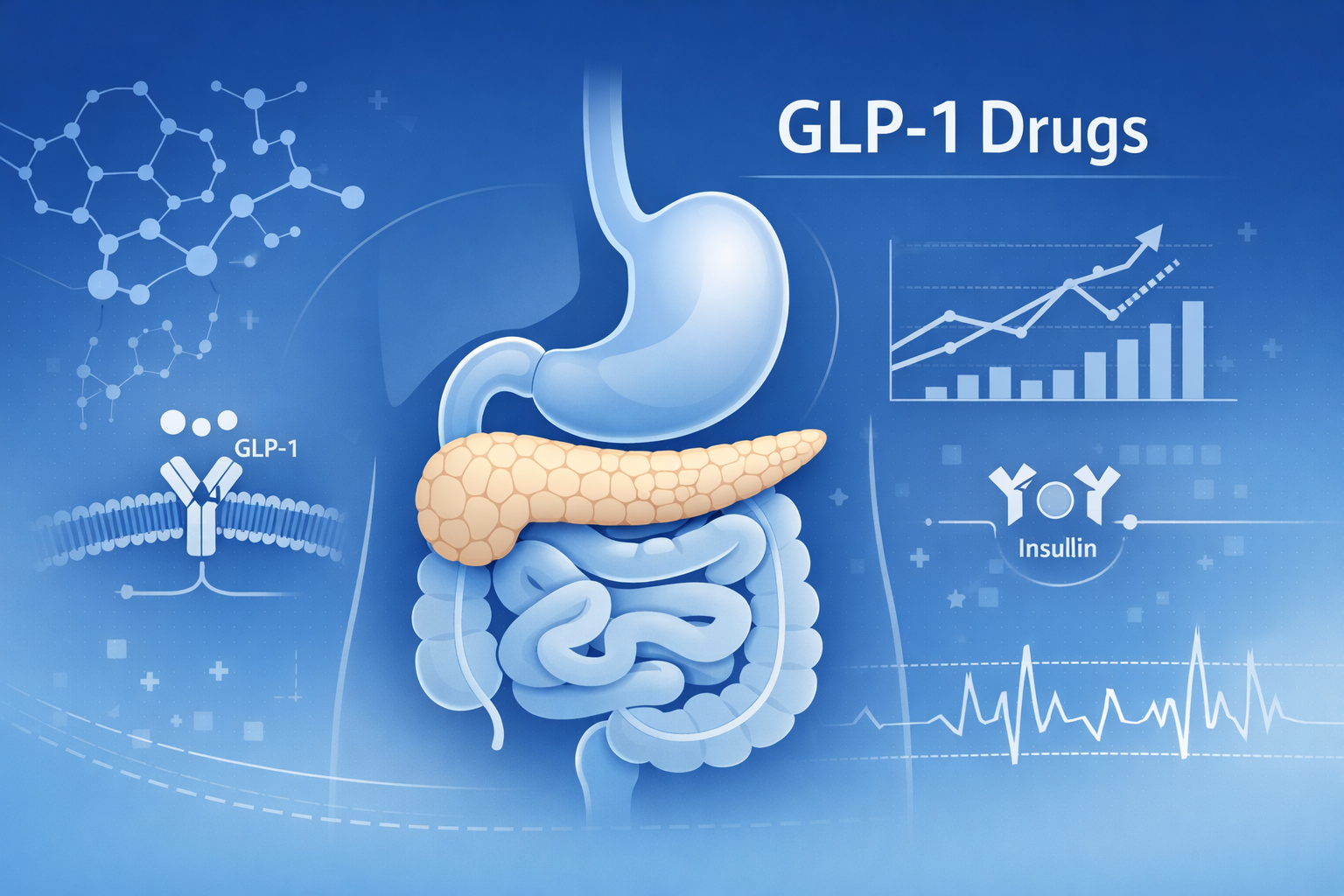
GLP-1 drugs are prescription medications that affect appetite, digestion, and blood sugar regulation. Many work by slowing gastric emptying (how quickly the stomach empties), increasing satiety, and improving glucose control. Because these effects involve the gastrointestinal and metabolic systems, side effects often involve nausea, vomiting, constipation, diarrhea, abdominal pain, and in some situations more serious complications.
Commonly discussed GLP-1 medications in litigation and safety conversations include:
- Ozempic and Wegovy (semaglutide)
- Mounjaro (tirzepatide)
- Zepbound (tirzepatide)
- Others in the GLP-1 category depending on indication and prescribing patterns
See our explainer on GLP-1 medications and how they work.
Why people are filing GLP-1 lawsuits
Most pharmaceutical lawsuits in this space center on a few recurring legal theories. The details vary by case, but claims often allege that a manufacturer failed to adequately warn patients and doctors about certain serious risks, or that marketing and risk disclosures did not sufficiently reflect real-world patient outcomes.
In GLP-1 litigation, filings may involve allegations such as:
- Failure to warn about the severity, frequency, or persistence of certain adverse events
- Inadequate labeling, instructions, or risk communication to prescribers and patients
- Misrepresentation or omission of risk information in marketing materials
- Negligence and product liability claims related to design, testing, or post-market surveillance
Most common injuries alleged in GLP-1 claims
Not every side effect leads to a lawsuit. Claims typically involve serious outcomes, especially those requiring emergency care, hospitalization, surgery, or long-term impairment. In GLP-1 cases, the injuries most commonly discussed in public reporting and patient complaints include gastrointestinal complications (including severe or prolonged symptoms) and other adverse events that patients believe were not adequately disclosed.
Examples often raised in GLP-1 injury claims include:
- Gastroparesis (delayed stomach emptying) or severe gastric dysmotility symptoms
- Persistent vomiting, dehydration, malnutrition, or electrolyte abnormalities
- Bowel obstruction or ileus (reported in some patient accounts; not every symptom indicates this)
- Pancreatitis (inflammation of the pancreas)
- Gallbladder disease (including gallstones and cholecystitis)
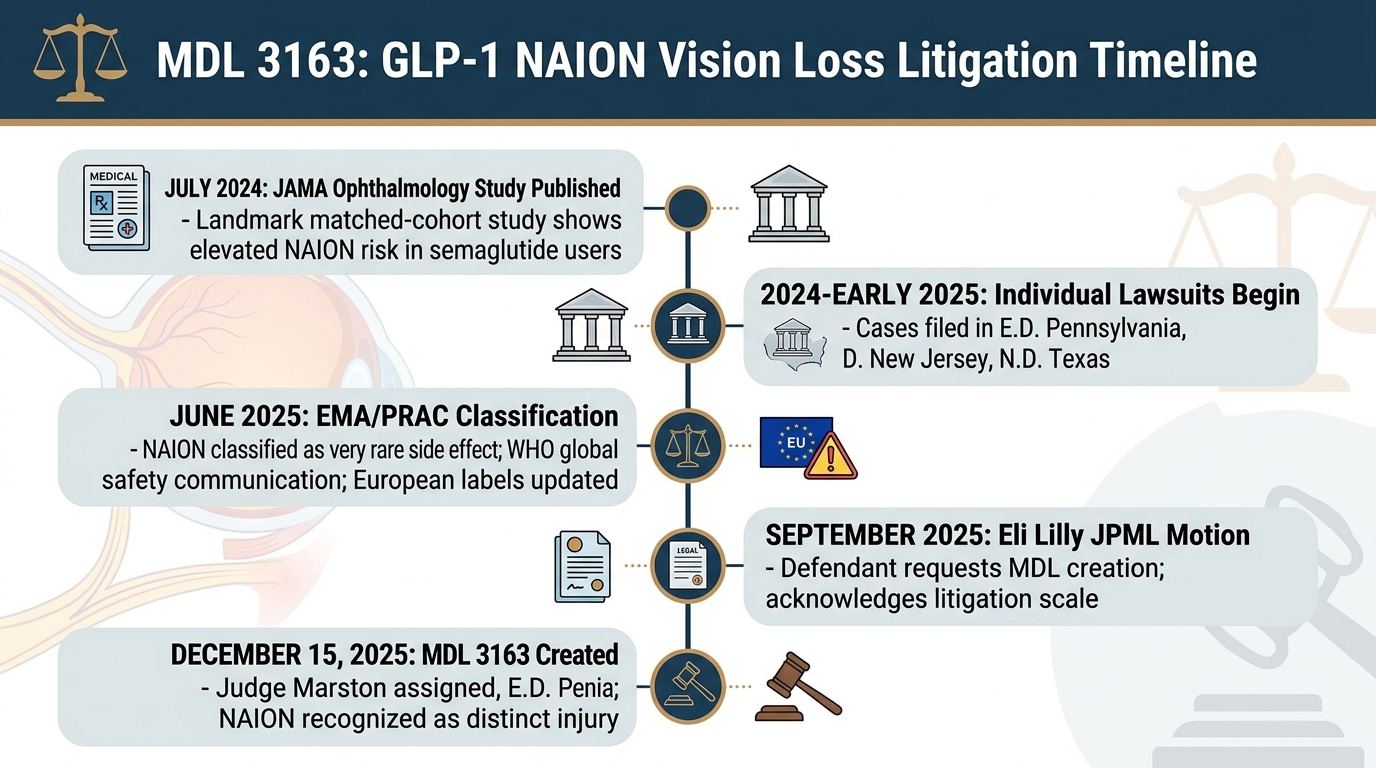
- Reports of sudden vision changes or vision loss in some patients (medical causation varies and is still actively studied)
If you’re researching one specific complication, you may prefer a dedicated deep dive.
GLP-1 Induced Gastroparesis: Medical Causes, Legal Rights, and Patient Guide
Understanding the Connection Between GLP-1 Drugs and Sudden Vision Loss
Who may qualify for a GLP-1 lawsuit
Eligibility depends on the facts, medical records, timing, and injury severity. In general, we evaluate GLP-1 claims by looking for a clear timeline (drug exposure → onset of symptoms → diagnosis/treatment), objective medical documentation, and measurable damages.
People who may have a stronger basis to explore a claim often include those who:
- Used Ozempic, Wegovy, Mounjaro, Zepbound, or another GLP-1 medication as prescribed
- Experienced severe or persistent symptoms that required urgent care, ER visits, hospitalization, procedures, or surgery
- Have documented diagnoses consistent with the injury alleged (e.g., gastroparesis testing, imaging, consult notes)
- Missed work, incurred significant medical bills, or sustained long-term impairment
Read also: Do I Have a GLP-1 Lawsuit? A 2025 Eligibility Guide for Ozempic, Wegovy & Mounjaro Users
Key evidence that strengthens a claim
A strong case is usually built on medical documentation, not just symptom descriptions. If you’re considering a claim, gathering records early can prevent delays later.
Helpful documentation often includes:
- Prescription history (start date, dose escalations, stop date)
- Pharmacy records and refill history
- ER and hospital records (admission notes, discharge summaries)
- Imaging and tests (CT, ultrasound, gastric emptying study, endoscopy)
- Specialist visits (GI, ophthalmology, endocrinology)
- A symptom timeline (when symptoms started, severity, what triggered care)
- Proof of damages (lost wages, out-of-pocket costs, caregiving needs)
Important: If you’re currently symptomatic, prioritize medical care first, then documentation.
The GLP-1 MDL and what it means
Large-scale pharmaceutical litigation often consolidates similar federal cases into a Multidistrict Litigation (MDL). An MDL is not a class action; each plaintiff retains an individual case, but pretrial steps (like discovery and expert issues) are coordinated for efficiency.
In a typical MDL lifecycle:
- Cases are filed and transferred into the MDL
- The court selects bellwether cases to test evidence and arguments
- Discovery proceeds (documents, depositions, expert reports)
- The parties may pursue settlement discussions based on bellwether outcomes
- If unresolved, cases can be remanded back to their original courts for trial
If an MDL is active for GLP-1 injuries, it can affect timelines and strategy, but it does not automatically mean you’ll receive compensation.
For details on MDL, see also What Is an MDL? Understanding Multidistrict Litigation
The GLP-1 Lawsuit Process
Understanding what to expect can help you navigate the legal process with confidence. Here's a general overview:
Initial Consultation and Case Evaluation: Your journey begins with a free, confidential consultation where an attorney reviews your medical history, GLP-1 use, and injuries. This evaluation determines whether you have a viable claim worth pursuing.
Investigation and Evidence Gathering: If you decide to proceed, we will help you collect comprehensive evidence including medical records, prescription history, expert medical opinions, and documentation of how your injuries have impacted your life.
Filing Your Lawsuit: We will prepare and file a complaint in the appropriate court, outlining your allegations against the pharmaceutical manufacturer and the legal basis for your claims, typically including failure to warn, defective design, and negligent testing.
Discovery Phase: Both sides exchange information through written questions (interrogatories), document requests, and depositions. This phase can reveal critical internal company documents about what manufacturers knew regarding drug risks and when they knew it.
Settlement Negotiations or Trial: Many pharmaceutical lawsuits settle before trial, but if a fair settlement cannot be reached, your case may proceed to trial where a jury will decide liability and damages.
Potential compensation in GLP-1 cases
Compensation (damages) depends on injury severity, treatment intensity, prognosis, and documented losses.
Categories of damages that may be sought include:
- Past and future medical expenses
- Lost income and reduced earning capacity
- Pain and suffering
- Disability or loss of normal life
- Out-of-pocket costs (travel, special diets, caregiving)
- In wrongful death matters: funeral expenses and loss of financial support (where permitted)
What to do if you suspect an injury
If you think a GLP-1 medication may be contributing to severe symptoms, focus on safety first and documentation second.
Practical steps:
- Seek medical care promptly for severe abdominal pain, persistent vomiting, dehydration, fainting, black/tarry stools, chest pain, or sudden vision changes
- Do not stop or change a prescription without speaking to your prescriber (unless a clinician tells you to stop)
- Start a written timeline: medication dates, dose changes, symptom onset, ER visits, diagnoses
- Request copies of records from hospitals, specialists, and imaging centers
- If you want legal guidance, speak with a qualified attorney who handles pharmaceutical injury claims
FAQs
Are GLP-1 lawsuits only about Ozempic?
No. Lawsuits and safety questions may involve Ozempic, Wegovy, Mounjaro, Zepbound, and other GLP-1 medications, depending on the alleged injury and the case facts.
Is nausea enough to file a lawsuit?
Usually, lawsuits focus on serious injuries with medical documentation and substantial damages. Routine, short-lived side effects typically do not support a viable claim on their own.
Do I have to be in an MDL to file?
Not always. Many federal cases get transferred into an MDL, but eligibility and strategy depend on where you file and the posture of the litigation.
How long do I have to file?
Deadlines (statutes of limitations) vary by state and by legal theory. Because timing can be case-determinative, it’s smart to speak with an attorney sooner rather than later.
How much does it cost to hire a GLP-1 lawsuit attorney?
We handle GLP-1 cases on a contingency fee basis. This means you pay no upfront costs or hourly fees. Legal fees are only collected if we successfully recover compensation through settlement or trial verdict, typically as a percentage of your recovery.
How long do GLP-1 lawsuits take?
The timeline varies significantly based on case complexity, court schedules, and whether your case settles or goes to trial.
Can I still file a lawsuit if I signed a waiver?
Possibly. While some waivers or arbitration agreements may limit your legal options, many are not enforceable in pharmaceutical injury cases. We will review any documents you signed and advise you on your options.
What if my doctor prescribed the medication off-label?
Off-label use doesn't automatically disqualify you from filing a lawsuit. If the manufacturer failed to adequately warn about known risks regardless of how the drug was prescribed, you may still have a valid claim.
Do I need to stop taking my GLP-1 medication?
Never stop taking prescribed medication without consulting your healthcare provider. Your doctor needs to evaluate your specific situation and determine the safest course of action for managing your condition.
Why work with me
When you’re dealing with a potential drug-related injury, the process can feel overwhelming, especially while you’re still seeking medical answers. My approach focuses on building a clear, evidence-forward claim: a detailed timeline, complete record collection, and a medically literate narrative that aligns symptoms, testing, and treatment with the allegations.
You’ll also get straightforward communication about what your case needs, what it may be worth pursuing, and what a realistic timeline looks like, without pressure or promises.
Successfully navigating GLP-1 litigation requires more than general personal injury experience—it demands deep knowledge of pharmaceutical regulation, FDA approval processes, and corporate decision-making at major drug companies.
Insider Pharmaceutical Industry Experience
Before representing injured patients, I worked in-house for a multi-national pharmaceutical company specializing in diabetes treatment, handling:
- Regulatory compliance with FDA requirements
- Drug approval processes
- Corporate legal matters and risk assessment
- Safety data evaluation
This insider experience gives me unique insight into:
- How pharmaceutical companies evaluate safety signals
- Corporate decision-making regarding label warnings
- Litigation defense strategies employed by drug manufacturers
- Industry standards for adequate warnings
Federal MDL Experience
Combined with over 10 years of experience in complex multidistrict litigation (MDL) in federal courts, I know how to:
- Anticipate defense arguments before they're made
- Build cases that withstand aggressive challenges from elite defense firms
- Navigate the unique procedural requirements of MDL proceedings
- Maximize efficiency while preparing for individual trials
National Resources with Personal Service
I work in partnership with one of the largest plaintiff law firms in the nation, giving you access to:
- Extensive financial resources for expert witnesses
- Medical experts specializing in gastroenterology, endocrinology, ophthalmology, and pharmacology
- Cutting-edge litigation technology and support staff
- Coordinated national litigation strategy
But you're not just a case number. You work directly with me throughout your case, receiving personalized attention and responsive communication.
Free case review
If you or a loved one experienced serious complications after using Ozempic, Wegovy, Mounjaro, or another GLP-1 medication, you can request a confidential case review. We’ll discuss your timeline, injuries, medical treatment, and the next steps for records collection.
Contact me today for a free, confidential case evaluation. We'll discuss your situation honestly and determine the best path forward—with no obligation and no upfront costs.
Complete our online form [link]
Remember:
- No fees unless we win your case
- Free initial consultation
- No out-of-pocket expenses
- We handle all aspects of your claim
- You focus on your health; we handle the legal battle
Related articles
- Gastroparesis Explained: Stomach Paralysis from Weight Loss Drugs
- What Are GLP-1 Receptor Agonists? A Complete Guide to Ozempic, Wegovy, and Mounjaro
- What Is an MDL? Understanding Multidistrict Litigation
- Ozempic vs. Wegovy vs. Mounjaro: Understanding the Key Differences
- NAION: Understanding Vision Loss from Ozempic
Medical and legal disclaimer
This article provides general information and does not offer medical advice. Do not use it to diagnose, treat, or manage any condition; always consult a licensed clinician for medical guidance, especially for urgent or worsening symptoms.
This article also provides general legal information and does not constitute legal advice or create an attorney-client relationship. Laws vary by jurisdiction, and outcomes depend on specific facts. If you want advice about your situation, consult a qualified attorney in your state.
Last reviewed: January 2026.