The Science Behind the Success and the Side Effects: How GLP-1 Drugs Work
GLP-1 drugs have revolutionized the treatment of Type 2 diabetes and chronic obesity. But how exactly does a weekly injection cause such profound changes in your body, and where do the serious risks like gastroparesis come from?
The answer lies in a tiny, natural hormone called GLP-1 (glucagon-like peptide-1). These medications are designed to mimic this hormone, essentially amplifying your body's natural signals to control hunger and sugar.
The Natural GLP-1 System vs. the Drug
In a healthy body, natural GLP-1 is released from your intestines after you eat. It’s a fast-acting signal sent to multiple organs.
When you inject a GLP-1 Receptor Agonist (like Semaglutide or Tirzepatide), you are introducing a compound that binds to the same receptors as the natural hormone — but it lasts for days instead of minutes.
This amplified signal creates a “triple-action” effect on your body.
1. The Pancreas: Sugar Control
The drug acts like a booster shot for your pancreas.
Boosts Insulin
When glucose (sugar) from your food enters the bloodstream, the GLP-1 drug signals the pancreas to release more insulin. Insulin is the key that unlocks your cells, allowing them to absorb and use that sugar.
Suppresses Glucagon
It also suppresses the release of glucagon, a hormone produced by the liver that raises blood sugar. By suppressing glucagon, the drug prevents your liver from dumping excess sugar into your bloodstream.
2. The Brain: Appetite Suppression
This is the main mechanism for weight loss.
The drug travels to the appetite centers of your brain (specifically the hypothalamus).
It signals satiety — the feeling of being full. The result is that you feel less hungry, you have fewer cravings, and you naturally consume fewer calories.
This dramatic reduction in appetite is the primary driver of the drug’s effectiveness for weight loss.
3. The Stomach: Delayed Emptying
This third effect is central to the current lawsuits regarding stomach paralysis.
The drug works on the muscles of your stomach to slow down gastric emptying, meaning the food you eat stays in your stomach for a much longer time.
The Benefit
From a weight loss perspective, this delay helps the “full” signal last longer, reinforcing the appetite suppression in the brain.
The Risk
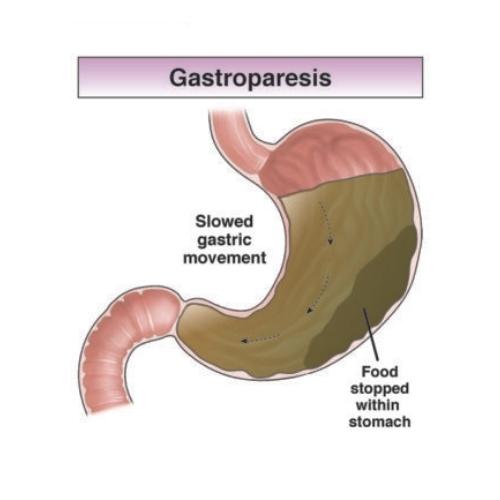
For thousands of patients, the delay has been too severe, causing the stomach to become paralyzed — a condition known as gastroparesis.
When the stomach can’t move food properly, it leads to:
- Severe nausea
- Vomiting
- Abdominal pain
- Inability to eat
The image above illustrates the consequence of this effect.
- Normal Stomach: empties food into the small intestine within a few hours
- Gastroparesis Stomach: cannot effectively push food out, causing food backlog and chronic distress
The Dual-Action Difference: GLP-1 vs. GIP/GLP-1
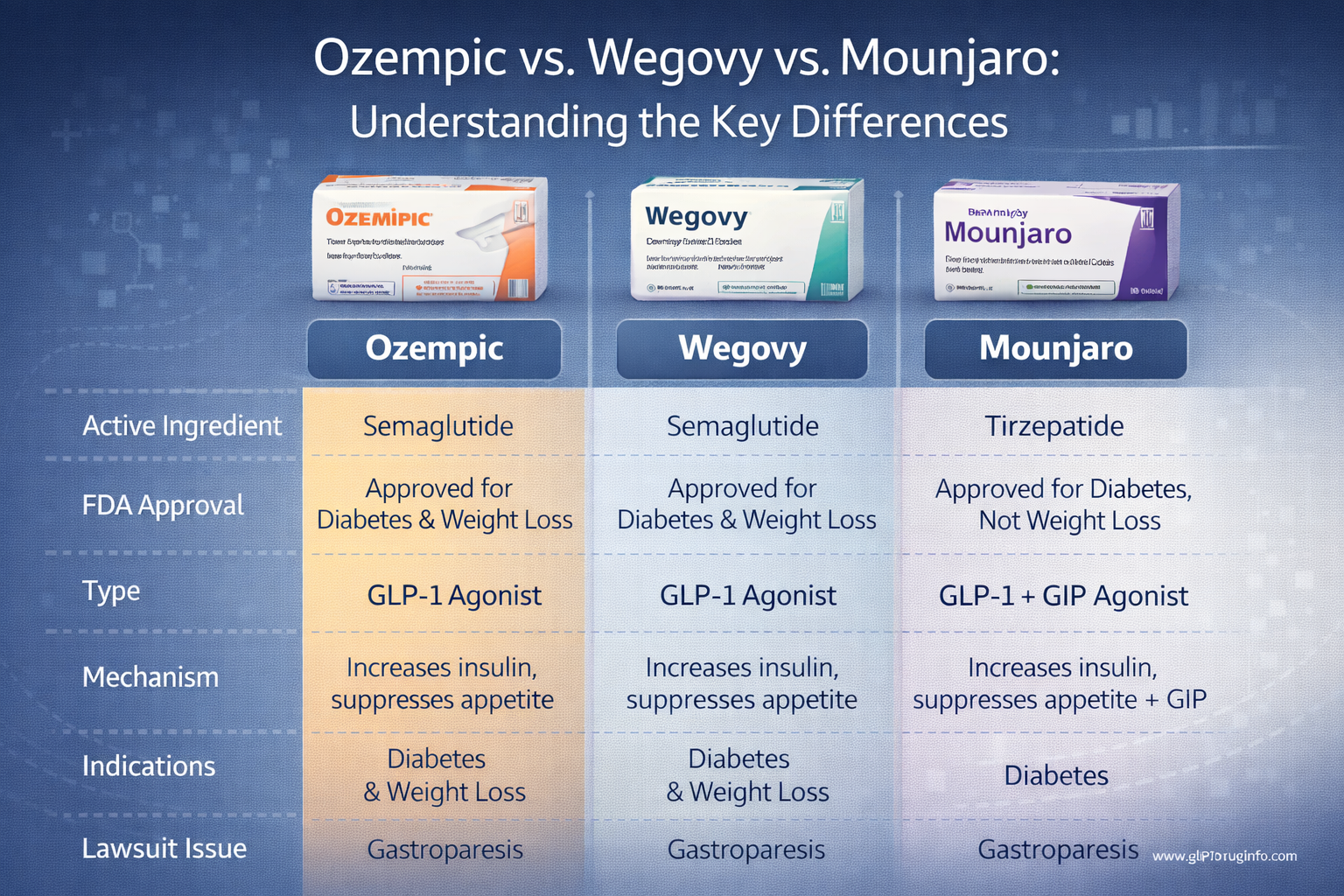
While drugs like Ozempic and Wegovy (Semaglutide) use a single-hormone mechanism (GLP-1 only), newer drugs like Mounjaro and Zepbound (Tirzepatide) are dual-agonists.
They target:
- The GLP-1 receptor
- The GIP receptor
This dual attack creates an even more powerful signaling cascade, which has led to greater weight loss results in clinical trials.
However, it still relies on the same fundamental principle of slowing down the digestive system, meaning it carries the same potential risk for gastroparesis and related injuries.
Take Action
If you took Ozempic, Wegovy, Mounjaro, or Zepbound and developed gastroparesis, ileus, or NAION during the period when warnings were inadequate, you may have a legal claim.
Visit https://www.GLP1lawsuits.com for:
- Free case evaluation
- Timeline-specific analysis of your situation
- Connection with experienced pharmaceutical litigation attorneys
- Information about ongoing MDL proceedings
Time is critical — statutes of limitations apply. Contact us today to protect your rights.
Disclaimer
This article provides general information and legal analysis but does not constitute legal advice. Each case is unique. Consult with a qualified attorney to evaluate your specific situation.
© 2025 GLP1lawsuits.com | All Rights Reserved