A 2025 Medical–Legal Guide for GLP-1 Users Experiencing Ongoing Digestive Symptoms
Nausea is one of the most commonly reported side effects of GLP-1 medications like Ozempic, Wegovy, and Mounjaro. For many people, mild discomfort lasts only a few days or weeks. But for others, nausea becomes: - persistent - severe - debilitating - accompanied by vomiting - or lasting months even after stopping the medication
At that point, it may be more than a side effect – it may be a medically significant injury.
This guide explains when nausea becomes a red flag, how it may relate to GLP-1 mechanisms, and when you may qualify for a legal claim.
1. Why GLP-1 Drugs Cause Nausea in the First Place
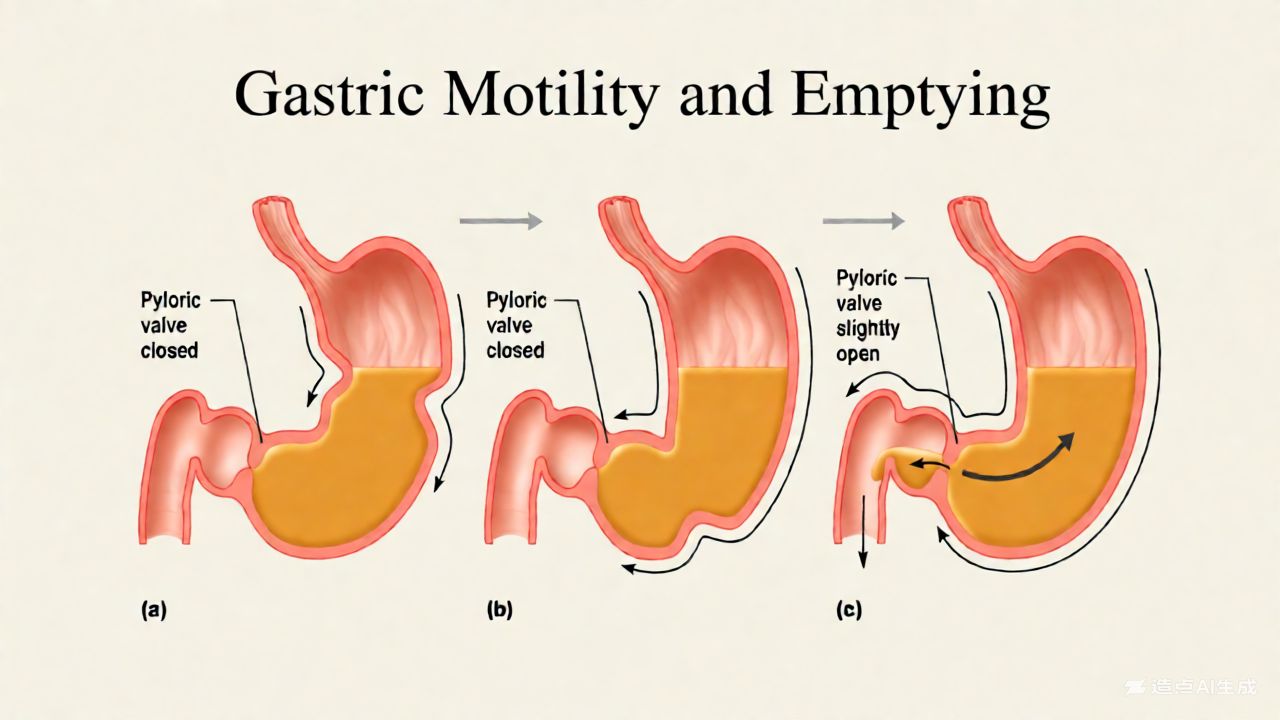
Ozempic and similar medications slow digestion as part of their intended effect.
This delay: - keeps food in the stomach longer - reduces appetite - stabilizes blood sugar
But for some individuals, the delay becomes excessive.
Mechanisms include: - slowed gastric emptying - suppression of stomach muscle contractions - delayed pyloric valve opening - increased gastric pressure - hypersensitivity of nausea centers in the brain
If these mechanisms escalate, nausea may move from “manageable” to pathological.
2. When Nausea Stops Being Normal: Key Warning Patterns
Persistent nausea becomes medically concerning when it follows one of these patterns:
A. Nausea lasting more than 4–6 weeks
- Especially through multiple dose cycles.
B. Nausea that worsens with dose increases
- A classic GLP-1 injury pattern.
C. Daily or near-daily nausea that disrupts normal functioning
- For example, inability to eat normally.
D. Nausea accompanied by vomiting undigested food
- This strongly suggests delayed gastric emptying.
E. Nausea continuing even after stopping Ozempic
- This is one of the strongest indicators of an underlying motility disorder.
F. Nausea requiring ER visits, IV fluids, or medical attention
- Suggests dehydration or electrolyte imbalance.
These patterns often overlap with more serious conditions, including: - gastroparesis - ileus / intestinal obstruction - cyclic vomiting - functional dyspepsia triggered by GLP-1 effects
3. The Hidden Link Between Persistent Nausea and Gastroparesis
Many patients initially experience “only nausea.” But nausea is often the earliest indicator of gastric dysmotility.
Key progression pattern clinicians see: - Mild nausea - Persistent nausea - Vomiting undigested food - Inability to finish meals - Weight loss or dehydration - Diagnosis of delayed gastric emptying
Not all nausea progresses this way – but when it does, it is usually not temporary.
4. Are You at Risk of a Serious Injury? Indicators to Watch For
You may be experiencing a more significant medical condition if: - nausea is constant or worsening - digestion seems “slower than before” - you feel full quickly - you have abdominal pain with nausea - your nausea continues between meals - you cannot tolerate higher doses - symptoms persist after drug discontinuation
Any of these can justify medical evaluation – and possible legal evaluation.
5. When Persistent Nausea May Qualify for a Legal Claim
You may qualify for compensation if your nausea: - Led to a medical diagnosis - Such as delayed gastric emptying, gastroparesis, ileus, or severe dyspepsia. - Caused ER visits or hospitalization - Dehydration or prolonged vomiting strengthens legal eligibility. - Occurred without adequate warning - Most patients report they were never told nausea could indicate stomach paralysis. - Disrupted daily life or long-term health - Persisted even after stopping the medication
Courts evaluate whether the medication caused or contributed to your condition, especially if the manufacturer failed to warn consumers sufficiently.
6. What Evidence Helps Validate Your Case?
You don’t need everything, but these items help: - medical visit summaries - notes mentioning nausea or vomiting - medication history and dosage timeline - tests for gastric emptying - records of dehydration or electrolyte imbalance - documentation of time off work or lifestyle impact
Even a simple symptom timeline can be significant.
7. Should You Stop the Medication? (Important)
Never stop without consulting your healthcare provider. Legal evaluation is separate from medical advice, and your safety comes first.
8. Persistent Nausea Is Not “Just a Side Effect” – It May Be an Injury
Many patients blame themselves or minimize their symptoms. But persistent nausea can signal: - significant motility dysfunction - early-stage gastroparesis - risk of obstruction - long-term digestive impairment
Early evaluation can prevent worsening symptoms.
9. Free Confidential Case Review
If your nausea is: - ongoing - severe - disruptive - or accompanied by vomiting or delayed digestion …you may be eligible for compensation.
Submit your confidential GLP-1 injury evaluation here: GLP-1 Injury Evaluation — Secure Form.
Understanding your rights begins with understanding your symptoms.
10. Conclusion
Nausea may begin as a common side effect, but persistent or worsening nausea should never be ignored.
This guide is written to help you recognize: - when symptoms become medically significant - when you may have a legal claim - what steps to take next
You deserve clarity.
You deserve care.
You deserve support.
And you’re not alone in this process.