If you've experienced severe nausea, chronic vomiting, persistent fullness, or what doctors call "stomach paralysis" after taking GLP-1 receptor agonist medications like Ozempic, Wegovy, Mounjaro, Zepbound, or Rybelsus, you are not alone, and you may have legal rights to compensation.
Table of Contents
- Understanding Gastroparesis and GLP-1 Medications
- The Science: How These Drugs Affect Stomach Function
- Recognizing Severe vs. Common Side Effects
- Legal Rights and Claim Eligibility
- Building Your Case: Essential Documentation
- Immediate Steps for Affected Patients
- Current Legal Landscape in 2026
- How We Support Patients
- Free Case Evaluation
- Conclusion and Resources
1. What Is Gastroparesis and Why Are GLP-1 Users Increasingly Reporting It?
Gastroparesis, medically defined as delayed gastric emptying or "stomach paralysis," occurs when the stomach muscles slow down so significantly that food cannot empty into the small intestine at a normal rate. In severe cases, food can remain in the stomach for 12 hours or longer, well beyond the typical 2-4 hour emptying time.
Primary Symptoms of Gastroparesis
Patients with gastroparesis commonly experience:
Gastrointestinal Symptoms:
- Persistent, unrelenting nausea that doesn't respond to standard anti-nausea medications
- Vomiting undigested food hours (or even days) after eating
- Early satiety, feeling uncomfortably full after consuming just a few bites
- Severe bloating and visible abdominal distension
- Sharp or burning upper-abdominal discomfort, often worse after meals
- Chronic acid reflux or GERD symptoms
- Audible stomach gurgling or splashing sounds
Systemic Complications:
- Unintentional weight loss (often significant)
- Malnutrition and vitamin deficiencies
- Dehydration requiring IV fluids
- Blood sugar fluctuations (particularly dangerous for diabetics)
- Fatigue and weakness from inadequate nutrient absorption
- Reduced quality of life and inability to work
The Growing Connection Between GLP-1 Drugs and Gastroparesis
Between 2023 and 2026, healthcare providers and gastroenterologists have documented a concerning pattern: a growing number of patients taking Ozempic (semaglutide), Wegovy (semaglutide), Mounjaro (tirzepatide), Zepbound (tirzepatide), and Rybelsus (oral semaglutide) are developing severe, sometimes irreversible gastroparesis.
Recent Data Points:
- A 2023 study published in JAMA found GLP-1 users had a 9.09 times higher risk of developing gastroparesis compared to other weight-loss medications
- By late 2024, the FDA had received over 5,000 adverse event reports linking GLP-1 medications to severe gastroparesis and stomach paralysis
- Multiple medical centers report that 15-30% of GLP-1 users experience some degree of delayed gastric emptying
- In 2025-2026, emergency departments across the United States saw increased admissions for GLP-1-related digestive complications
This surge in cases has triggered multiple legal investigations, FDA safety reviews, and calls for enhanced warning labels.
Read more on: (The Definitive Guide to GLP-1 Lawsuits (2026): Ozempic, Wegovy, & Mounjaro) [glp1-lawsuit-guide]
2. How GLP-1 Medications May Trigger Severe Digestive Delays and Stomach Paralysis
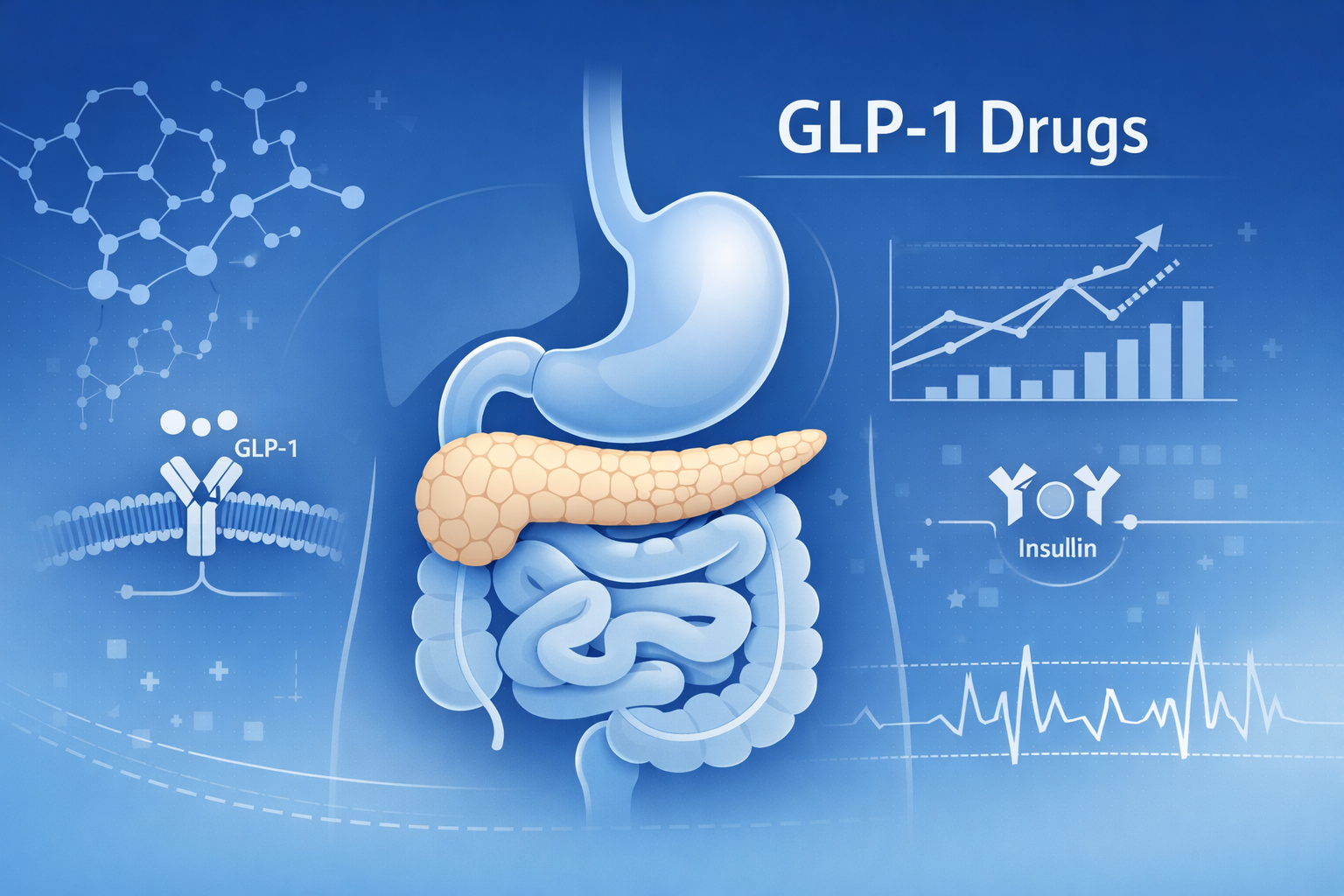
GLP-1 receptor agonists are designed to mimic glucagon-like peptide-1, a naturally occurring hormone that regulates blood sugar and appetite. While slowing gastric emptying is an intended effect of these medications, in a subset of patients, this mechanism becomes pathologically excessive.
The Biological Mechanisms
Normal GLP-1 Function: GLP-1 agonists intentionally slow gastric emptying to:
- Reduce appetite and promote satiety
- Control post-meal blood sugar spikes
- Support weight loss by extending feelings of fullness
Pathological Dysfunction in Susceptible Patients:
-
Excessive Reduction in Stomach Contractions
- The stomach's muscular contractions (peristalsis) become severely diminished
- Food cannot be adequately churned, broken down, or propelled forward
- Solid foods may form bezoars (compacted masses)
-
Delayed or Incomplete Pyloric Valve Opening
- The pyloric sphincter (gateway between stomach and small intestine) remains constricted
- Even liquid nutrients struggle to pass through
- Patients may tolerate only water or clear liquids
-
Suppression of Vagus Nerve Signaling
- The vagus nerve controls gastric motility
- GLP-1 drugs may over-suppress this critical nerve pathway
- Communication between the brain and digestive system becomes impaired
-
Prolonged Gastric Retention
- Food remains in the stomach for 8, 12, or even 24+ hours
- This leads to fermentation, bacterial overgrowth, and toxic metabolite accumulation
- Patients experience constant nausea and the sensation of carrying "rotting" food
-
Potential for Permanent Damage
- In some cases, the stomach muscles may sustain long-term injury
- Gastroparesis symptoms persist for months or years after discontinuing the medication
- Patients may require permanent dietary modifications, medications, or surgical interventions
Who Is at Higher Risk?
While any GLP-1 user can develop gastroparesis, certain populations appear more vulnerable:
- Patients with pre-existing diabetes (especially those with diabetic neuropathy)
- Individuals with a history of eating disorders or previous gastric surgeries
- Those taking higher doses or multiple GLP-1 medications concurrently
- Patients who escalate doses too quickly without proper medical supervision
- Women (who statistically experience gastroparesis at higher rates)
- Individuals with autoimmune conditions or connective tissue disorders
This article explains (GLP-1 Medication Side Effects: When to Seek Legal Help) [when-seek-legal-glp1-side-effects]
3. When Is It More Than a Side Effect? Distinguishing Common Reactions from Serious Injury
Many patients taking GLP-1 medications experience mild, transient nausea during the first few weeks of treatment. This is considered a common, expected side effect that typically resolves as the body adjusts.
However, gastroparesis is not a "normal" side effect - it is a serious medical injury.
Key Warning Signs That Indicate a Medical Emergency or Significant Injury
You may be experiencing drug-induced gastroparesis or severe gastrointestinal injury if you notice:
Red-Flag Symptoms Requiring Immediate Medical Attention:
-
Vomiting Undigested Food
- Throwing up meals consumed 6, 12, or even 24+ hours earlier
- Food appears largely unchanged from when it was eaten
- Vomit contains recognizable food particles rather than digested material
-
Inability to Keep Down Food or Liquids
- Even water or clear broths are immediately rejected
- Persistent dry heaving or retching
- Signs of severe dehydration (dark urine, dizziness, rapid heartbeat)
-
Repeated Emergency Room Visits
- Multiple ER admissions for intractable nausea and vomiting
- Requiring IV fluids, anti-nausea medications, or hospitalization
- Symptoms consistently triggered after eating
-
Severe, Unrelenting Abdominal Pain
- Sharp, stabbing, or burning pain in the upper abdomen
- Pain that worsens after eating or drinking
- Distension so severe the abdomen becomes visibly swollen
-
Symptoms That Persist After Stopping the Medication
- Gastroparesis continuing weeks, months, or years after discontinuation
- No improvement despite cessation of GLP-1 therapy
- Requiring ongoing medical management for stomach paralysis
-
Significant Functional Impairment
- Unable to work or perform daily activities
- Requiring feeding tubes or total parenteral nutrition (TPN)
- Dramatic decline in quality of life
-
Objective Medical Findings
- Abnormal gastric emptying study showing delayed emptying
- Endoscopy revealing food retention or gastric bezoars
- CT or MRI showing distended, non-functioning stomach
Medical Conditions Potentially Linked to GLP-1 Medications
Beyond gastroparesis, patients have reported:
- Intestinal pseudo-obstruction (bowel paralysis)
- Ileus (temporary cessation of intestinal motility)
- Chronic intestinal dysmotility
- Cyclic vomiting syndrome
- Superior mesenteric artery syndrome
- Gastric bezoar formation
- Esophageal dysmotility and aspiration risk
If any of these conditions sound familiar, you may have grounds for a legal claim.
Read more on: (Diagnosing Gastroparesis: Tests and Procedures Explained) [gastric-emptying-study-mdl-3094]
4. Do I Have a Potential Legal Claim? Understanding Your Rights in 2026
As of January 2026, thousands of patients across the United States have filed lawsuits against the manufacturers of GLP-1 receptor agonist medications, alleging that these companies failed to adequately warn about the risk of severe gastroparesis and stomach paralysis.
Eligibility Criteria for a GLP-1 Gastroparesis Lawsuit
You may qualify for compensation if:
Medication Use:
- You were prescribed and took Ozempic, Wegovy, Mounjaro, Zepbound, Rybelsus, or another GLP-1 medication
- You used the medication for weight loss, diabetes management, or another approved indication
- You followed your physician's instructions regarding dosing
Medical Injury:
- You developed severe, prolonged nausea, vomiting, or digestive symptoms
- You received a formal medical diagnosis of gastroparesis, stomach paralysis, delayed gastric emptying, intestinal obstruction, ileus, or chronic dysmotility
- Your symptoms required medical intervention (ER visits, hospitalization, diagnostic testing, ongoing treatment)
- You experienced complications such as dehydration, malnutrition, feeding tube placement, or surgical intervention
Causation and Timeline:
- Your symptoms began during or shortly after starting GLP-1 therapy
- You did not have pre-existing gastroparesis or severe digestive issues before starting the medication
- Your symptoms persisted despite stopping the drug or required you to discontinue it
Lack of Adequate Warning:
- You were not adequately informed about the risk of permanent or severe gastroparesis
- The medication's label or marketing materials downplayed serious digestive risks
- You would not have taken the medication (or would have monitored more closely) had you known about these severe risks
Legal Theories Underlying GLP-1 Lawsuits
Current litigation generally alleges:
Failure to Warn (Inadequate Labeling):
- Manufacturers knew or should have known about the elevated risk of severe gastroparesis
- Warning labels failed to adequately communicate the severity, permanence, and frequency of this complication
- Healthcare providers and patients were not given sufficient information to make informed decisions
Design Defect:
- The medication's mechanism of action creates an unreasonable risk of harm
- Safer alternative formulations or dosing strategies were not pursued
- The risks outweigh the benefits for certain patient populations
Negligent Misrepresentation:
- Marketing materials minimized or omitted information about serious digestive injuries
- Safety claims were misleading or incomplete
- Post-market surveillance data was not adequately disclosed
Breach of Warranty:
- Implied warranty that the product was safe for its intended use
- Express promises about safety that were not fulfilled
What Compensation May Be Available?
If your claim is successful, you may be entitled to:
Economic Damages:
- Medical expenses (past and future)
- Hospitalization and emergency care costs
- Prescription medications and treatments
- Diagnostic testing (gastric emptying studies, endoscopies, imaging)
- Lost wages and loss of earning capacity
- Out-of-pocket expenses for dietary modifications, supplements, or medical equipment
Non-Economic Damages:
- Pain and suffering
- Emotional distress and mental anguish
- Loss of quality of life and enjoyment
- Permanent disability or disfigurement
- Loss of consortium (impact on relationships)
In Rare Cases, Punitive Damages:
- If the manufacturer's conduct was particularly reckless or egregious
- Designed to punish and deter similar behavior
You can find more information on (GLP-1 Lawsuit Settlements: What to Expect in 2026) [glp1-settlement-what-to-expect]
5. What Evidence Helps Strengthen a Claim? Building Your Case
The success of a GLP-1 gastroparesis lawsuit often depends on the quality and completeness of the evidence you can provide. While not every piece of documentation is required, the more comprehensive your records, the stronger your case.
Essential Medical Documentation
Medical Records:
- Complete medical history from all treating physicians
- Emergency room visit summaries and admission records
- Hospital discharge summaries
- Gastroenterologist consultation notes
- Endoscopy, colonoscopy, or surgical reports
- Radiology reports (CT scans, MRIs, X-rays)
- Pathology reports (if biopsies were performed)
Diagnostic Test Results:
- Gastric Emptying Study (Scintigraphy): The gold standard test showing delayed stomach emptying
- SmartPill or wireless motility capsule results
- Electrogastrography (EGG) showing abnormal stomach electrical activity
- Breath tests for bacterial overgrowth or carbohydrate malabsorption
- Upper GI series or barium swallow studies
- Endoscopic findings documenting food retention
Prescription and Pharmacy Records:
- Documentation of GLP-1 medication prescriptions (dates, dosages, refills)
- Pharmacy dispensing records
- Insurance claims showing medication fills
- Any dose escalations or adjustments
- Concurrent medications that may have interacted with GLP-1 drugs
Symptom Timeline and Personal Records:
- Detailed symptom diary: Dates, severity, triggers, and progression
- Photos or videos documenting visible abdominal distension
- Food diaries showing inability to tolerate normal meals
- Weight loss documentation (before/after charts)
- Written correspondence with physicians about symptoms
- Text messages or emails describing your condition to family/friends (demonstrates contemporaneous reporting)
Financial Documentation:
- Medical bills and itemized statements
- Insurance EOBs (Explanation of Benefits)
- Pay stubs showing lost wages
- Receipts for out-of-pocket expenses (medications, supplements, special foods)
- Documentation of disability claims or FMLA leave
Additional Evidence That Strengthens Your Case
Witness Statements:
- Family members who observed your symptoms and functional decline
- Coworkers who noticed your inability to eat or frequent absences
- Friends who can attest to your pre-injury health and current limitations
Expert Medical Opinions:
- Statements from treating gastroenterologists linking your condition to GLP-1 use
- Independent medical examinations supporting causation
- Literature or studies your doctors referenced
Proof of Inadequate Warning:
- Medication package inserts you received
- Marketing materials or physician samples you were given
- Documentation of what you were told (or not told) about risks
What If I Don't Have Perfect Records?
Don't worry - many patients don't have complete documentation, especially if symptoms developed gradually or if they changed healthcare providers. An experienced attorney can help you:
- Request medical records from all providers
- Obtain pharmacy records through prescription databases
- Reconstruct a timeline based on available evidence
- Work with medical experts to fill gaps in documentation
The key is to begin preserving evidence now and consult with legal counsel as soon as possible.
To find out more on how to build a strong GLP-1 medical injury case, read here: (Medical Records for Legal Claims: A Patient's Guide) [documenting-glp1-medical-injury-case]
6. What Should I Do If I Suspect GLP-1–Related Gastroparesis? Immediate Action Steps
If you believe you're experiencing gastroparesis or severe digestive complications from Ozempic, Wegovy, Mounjaro, or another GLP-1 medication, taking prompt action can protect both your health and your legal rights.
Step 1: Seek Immediate Medical Evaluation
Do Not Delay Medical Care:
- If you're experiencing severe vomiting, dehydration, or abdominal pain, go to the emergency room immediately
- Contact your prescribing physician or endocrinologist to report your symptoms
- Request a referral to a gastroenterologist for specialized evaluation
Important Diagnostic Tests to Request:
- Gastric emptying study (scintigraphy)
- Upper endoscopy to visualize stomach contents
- Blood work to check for dehydration, electrolyte imbalances, and nutritional deficiencies
- Imaging studies if obstruction or other complications are suspected
Do NOT Stop Your Medication Without Medical Supervision:
- Abruptly discontinuing GLP-1 drugs can cause rebound blood sugar issues in diabetics
- Work with your doctor to safely taper or transition to alternative treatments
- Your physician can document the medical necessity of stopping the medication
Step 2: Document Everything Thoroughly
Create a Comprehensive Symptom Log:
- Date and time of each episode of nausea or vomiting
- What you ate and when
- How long food remained before being vomited
- Severity of symptoms (use a 1-10 scale)
- Any triggers or patterns you notice
- Medications taken (including over-the-counter remedies)
Preserve Physical Evidence:
- Take photos of vomited food showing undigested appearance
- Document visible abdominal swelling with dated photos
- Keep a weight log showing trajectory
- Save all receipts for medical expenses and medications
Request Copies of All Medical Records:
- You have a legal right to your complete medical file
- Request records from all providers who treated your condition
- Store these securely in both physical and digital formats
Step 3: Save All Medication-Related Documentation
Critical Items to Preserve:
- Original prescription bottles and packaging
- Package inserts and patient information leaflets
- Any marketing materials or samples you received
- Pharmacy receipts and insurance claim statements
- Written instructions or educational materials from your doctor
Why This Matters: These documents show what warnings (or lack thereof) you were given and help establish the timeline of your medication use.
Step 4: Avoid Discussing Your Case Publicly
Protect Your Legal Claim:
- Do not post detailed information about your case on social media
- Avoid joining online groups where you discuss potential litigation
- Don't sign any releases or settlements offered by pharmaceutical companies without legal review
- Insurance companies and defense attorneys may monitor public statements
You can:
- Share general health updates with close family
- Participate in medical forums for symptom management (without naming specific legal intentions)
- Join patient support groups for emotional support
Step 5: Consult with an Experienced GLP-1 Lawsuit Attorney
Why Early Legal Consultation Matters:
- Statutes of limitation create strict deadlines for filing claims
- Evidence preservation is critical and becomes harder over time
- Attorneys can guide you on what documentation to prioritize
- Early case evaluation is free and confidential
What to Expect in an Initial Consultation:
- Review of your medical history and medication timeline
- Assessment of claim eligibility and potential compensation
- Explanation of the legal process and expected timeline
- No upfront costs - most cases are handled on contingency (which means fees are only paid if and when you win)
Step 6: Protect Your Rights Under Statutes of Limitation
Time Limits Vary by State:
- Most states have a 2-3 year statute of limitations for product liability claims
- The "clock" typically starts when you discovered (or should have discovered) the injury
- Some states have shorter deadlines for claims against pharmaceutical companies
- Missing the deadline can permanently bar your claim
Don't Wait: Even if you're still undergoing medical treatment or your diagnosis is evolving, consulting with an attorney early ensures you don't inadvertently forfeit your rights.
More on Statutes of Limitation for GLP-1 Drug Injury Lawsuits) [statute-of-limitations-glp1-lawsuit]
7. Why Patients Are Filing Lawsuits in 2026: The Current Legal Landscape
As of January 2026, GLP-1 gastroparesis litigation has evolved into one of the most significant pharmaceutical liability cases in recent years. Thousands of lawsuits have been filed, and legal experts anticipate this number will continue to grow as awareness spreads and more patients receive diagnoses.
The Evolution of GLP-1 Litigation
2022-2023: Initial Warning Signs
- Isolated case reports of severe gastroparesis in medical literature
- Patient advocacy groups begin documenting adverse events
- Gastroenterologists notice unusual clustering of cases
Mid-2023: The Tipping Point
- Major medical journal studies (including JAMA) publish findings showing significantly elevated gastroparesis risk
- FDA receives surge of adverse event reports
- Media outlets begin investigating patient stories
- First lawsuits filed against Novo Nordisk and Eli Lilly
2024: Litigation Accelerates
- Hundreds of lawsuits consolidated in federal court
- Judicial Panel on Multidistrict Litigation (JPML) considers creating MDL (multidistrict litigation)
- Discovery process begins, revealing internal company documents
- State-level lawsuits filed across the country
2025-2026: Current Status
- GLP-1 MDL formally established with thousands of cases
- Bellwether trials selected to test legal theories
- Enhanced FDA warning labels issued (though critics say still inadequate)
- Settlement negotiations begin in some cases
- New lawsuits continue to be filed daily
Key Legal Questions Being Litigated
1. When Did Manufacturers Know About the Risk? Current lawsuits seek to establish:
- What internal research existed prior to public launch
- Whether pre-market clinical trials revealed gastroparesis signals
- When post-market surveillance data became concerning
- Whether companies suppressed or minimized safety findings
2. Were Warnings Adequate? Plaintiffs argue:
- Original medication labels barely mentioned gastroparesis risk
- The severity and potential permanence of stomach paralysis were not clearly communicated
- Healthcare providers did not receive adequate education about symptoms to watch for
- Patients were not informed that discontinuing the drug might not reverse the condition
3. Did Manufacturers Conduct Sufficient Safety Studies? Claims allege:
- Long-term digestive impact studies were inadequate
- Higher-dose formulations were not sufficiently tested
- Vulnerable populations (those with diabetes, prior gastric issues) were not studied separately
- Post-approval surveillance was insufficient
4. Were Dosing Instructions and Escalation Protocols Appropriate? Litigation examines:
- Whether recommended dose escalation schedules were too aggressive
- If patients were adequately monitored during titration
- Whether prescribers received sufficient guidance on risk management
5. Did Marketing Downplay Serious Risks? Plaintiffs point to:
- Celebrity endorsements and social media campaigns emphasizing benefits
- Direct-to-consumer advertising minimizing side effects
- "Mild nausea" framing that obscured severity of potential outcomes
Recent Developments in 2026
Regulatory Actions:
- FDA issued strengthened "black box" warnings for some GLP-1 formulations
- European Medicines Agency (EMA) launched parallel investigation
- Congressional hearings examine pharmaceutical company practices
Scientific Research:
- New studies identify potential genetic markers for gastroparesis susceptibility
- Research into reversal treatments and therapies progressing
- Long-term outcome data becoming available
Legal Milestones:
- First bellwether trials scheduled for late 2026/early 2027
- Settlement frameworks under negotiation in some jurisdictions
- Class action status denied in federal court (cases proceeding individually)
What This Means for Your Case
The Legal Window Is Open - But May Not Stay Open Forever: While litigation is active and cases are being accepted, there are strategic reasons to act now:
- Statutes of Limitation: Deadlines are approaching for patients who developed symptoms in 2022-2023
- Evidence Preservation: Medical records may be destroyed after retention periods expire
- Case Valuation: Earlier plaintiffs may have advantageous settlement positioning
- Resource Allocation: As MDLs mature, law firms may become more selective
The Discovery Process Is Uncovering Critical Evidence: Through litigation, internal company documents are being revealed that may show:
- What manufacturers knew and when
- Internal risk assessments and safety concerns
- Communications with regulatory agencies
- Marketing strategy documents
This evidence can significantly strengthen individual claims.
More on MDL and GLP-1 cases, read (Understanding MDL vs. Class Action Lawsuits) [what-is-mdl-multidistrict-litigation]
8. How We Help Patients Navigate GLP-1 Gastroparesis Claims
If you're considering legal action, you deserve a team that understands both the medical complexity of gastroparesis and the legal intricacies of pharmaceutical litigation.
Our Comprehensive Approach
Free, Confidential Case Evaluation
Your initial consultation includes:
- Detailed review of your medical history and medication timeline
- Assessment of your eligibility for compensation
- Explanation of the legal process, expected timeline, and potential outcomes
- Honest evaluation—we'll tell you if we don't think you have a viable case
- No obligation whatsoever
No Upfront Costs or Fees
We handle GLP-1 gastroparesis cases on a contingency fee basis, which means:
- You pay nothing unless we win your case
- We advance all costs of litigation (expert witnesses, medical record retrieval, court fees)
- Our fee is a percentage of your recovery only if successful
- If we don't recover compensation, you owe us nothing
Personalized Support Throughout the Process
We understand this is about more than legal claims - it's about your health, your family, and your future:
- Dedicated case manager assigned to you
- Regular updates on case progress
- Assistance coordinating with medical providers
- Connection to support resources and patient advocacy groups
- Compassionate communication—we listen to your concerns
Experienced Pharmaceutical Litigation Team
Our attorneys bring:
- Decades of combined experience in product liability and drug injury cases
- Track record of successful outcomes in complex pharmaceutical litigation
- Relationships with leading medical experts in gastroenterology and motility disorders
- Resources to take on major pharmaceutical companies
- Participation in GLP-1 MDL leadership committees
What Makes GLP-1 Cases Different
Medical Complexity: Gastroparesis isn't always immediately diagnosable. We work with:
- Board-certified gastroenterologists
- Motility disorder specialists
- Diagnostic testing experts
- Nutritionists and dietitians
- Life care planners (for cases involving permanent injury)
Causation Challenges: Proving that GLP-1 medication (rather than other factors) caused your gastroparesis requires:
- Detailed medical timeline reconstruction
- Differential diagnosis to rule out other causes
- Expert testimony linking drug mechanism to your specific injury
- Analysis of dose, duration, and temporal relationship
Evolving Legal Landscape: As MDL proceedings advance, strategies and information change rapidly. We stay current on:
- Bellwether trial outcomes
- New scientific research and publications
- Settlement negotiations and valuation trends
- Judicial rulings affecting case strategy
Our Commitment to You
We believe patients harmed by dangerous drugs deserve:
- Accountability: Manufacturers must answer for inadequate warnings
- Transparency: You should understand every step of your case
- Respect: Your experience and suffering matter
- Justice: Fair compensation for medical expenses, lost wages, and pain
You've already been through enough. Let us handle the legal fight while you focus on your health and recovery.
Fill our confidential (online form) [https://www.glp1lawsuits.com/case-evaluation.html] to get a free evaluation on your case here.
9. Ready to See Whether You Qualify? Get Your Free Case Review
If you've suffered from severe digestive symptoms, gastroparesis, or stomach paralysis after taking Ozempic, Wegovy, Mounjaro, Zepbound, or Rybelsus, you may be entitled to compensation.
Take the First Step Today
Submit Your Confidential Case Review Here: GLP-1 Injuries – Free Evaluation Form
What Happens After You Submit?
Step 1: Initial Review (24-48 hours) Our intake team reviews your submission and may contact you for brief clarification.
Step 2: Attorney Consultation (Typically Within 1 Week) A qualified attorney discusses:
- Your medical history and symptoms
- Medication usage timeline
- Whether you have a viable claim
- Potential compensation you may be entitled to
- Next steps if you choose to proceed
Step 3: Case Investigation (If You Proceed) We begin gathering:
- Medical records from all relevant providers
- Prescription and pharmacy documentation
- Expert medical opinions
- Evidence to support your claim
Step 4: Legal Action
- Filing your lawsuit in the appropriate jurisdiction
- Participation in discovery and depositions
- Negotiation or trial as case progresses
What Information Do We Need?
To evaluate your case efficiently, please be prepared to share:
Basic Information:
- Your name and contact details
- State of residence (determines applicable laws)
Medication History:
- Which GLP-1 medication(s) you took (Ozempic, Wegovy, Mounjaro, etc.)
- When you started and stopped taking it
- Dosage and duration of use
- Reason for prescription (diabetes, weight loss, other)
Medical Symptoms and Diagnosis:
- When symptoms began
- Description of symptoms (nausea, vomiting, pain, etc.)
- Whether you were diagnosed with gastroparesis or related condition
- Medical treatment you received (ER visits, hospitalization, etc.)
- Current status of your symptoms
Supporting Documentation (if available):
- Medical records or doctor's notes
- Diagnostic test results
- Prescription records
- Photos or symptom diaries
Don't worry if you don't have everything - we can help you obtain necessary records.
Common Questions About the Process
How long does the case take? Case timelines vary, but most pharmaceutical litigation takes 1-3 years. MDL cases may resolve through bellwether trials and global settlements, potentially speeding resolution.
Will I have to go to court? Most cases settle before trial, but we prepare every case as if it will go to court to maximize leverage in negotiations.
What if I'm still taking the medication? You can still pursue a claim. Consult your doctor about safely discontinuing or transitioning to alternatives.
What if I can't afford an attorney? Our contingency fee model means you pay nothing unless we win. Legal representation is accessible regardless of financial situation.
Will this affect my medical care? No. Your lawsuit is independent of your medical treatment. Doctors cannot refuse to treat you because you've filed a legal claim.
Why You Shouldn't Wait
- Statutes of limitation create strict deadlines—in many states, you have only 2-3 years from discovering your injury
- Evidence degrades over time—memories fade, documents are lost, medical records are destroyed
- Early cases may have settlement advantages—plaintiffs who act early may benefit from initial settlement frameworks
- Your symptoms may worsen—documenting current condition is critical for valuation
Your Privacy Is Protected
All communications are:
- Completely confidential
- Protected by attorney-client privilege
- Secure and encrypted
- Never shared without your permission
You risk nothing by getting a free case evaluation - but you risk everything by waiting.
Click Here for Your Free, No-Obligation Case Review
10. Conclusion: You Deserve Answers, Support, and Justice
Gastroparesis is far more than an inconvenient side effect—it is a serious, potentially life-altering medical condition that can devastate your ability to eat, work, and enjoy life. When this condition is caused by a medication you were told was safe, the impact is compounded by feelings of betrayal and confusion.
The Reality of Living with GLP-1-Induced Gastroparesis
For many patients, what began as a medication to improve health has resulted in:
- Chronic, debilitating nausea that makes every day a struggle
- Inability to share meals with family and friends
- Constant fear of vomiting in public or social situations
- Nutritional deficiencies requiring supplementation or feeding tubes
- Lost wages and career setbacks due to missed work
- Emotional toll of a condition that others may not understand
- Financial burden of endless medical appointments and treatments
You didn't choose this outcome, and you shouldn't bear its consequences alone.
Manufacturers Have a Responsibility
Pharmaceutical companies have a legal and ethical obligation to:
- Conduct thorough safety testing before bringing drugs to market
- Provide adequate warnings about serious risks
- Monitor post-market adverse events and update labeling accordingly
- Prioritize patient safety over profit margins
When companies fail in these duties, patients suffer—and the law provides a pathway to accountability.
What Legal Action Achieves
Filing a lawsuit isn't just about financial compensation (though that is important and deserved). It also:
- Holds corporations accountable for placing profits over patient safety
- Encourages better practices in drug development and marketing
- Raises awareness so other patients can make informed decisions
- Validates your experience and acknowledges the harm you've suffered
- Provides resources for ongoing medical care and quality of life improvements
You Are Not Alone
Thousands of patients across the country have experienced similar symptoms. While gastroparesis can feel isolating, you are part of a community of people seeking answers and justice.
Support Resources:
- International Foundation for Gastrointestinal Disorders (IFFGD): www.iffgd.org
- Gastroparesis Patient Association for Cures and Treatments (G-PACT): www.g-pact.org
- National Organization for Rare Disorders (NORD): www.rarediseases.org
These organizations offer:
- Educational materials on gastroparesis management
- Support groups and online communities
- Dietary guidance and coping strategies
- Advocacy for research funding
Moving Forward with Hope
While gastroparesis is a serious condition, advances in treatment and management are continually emerging:
- New medications targeting gastric motility
- Gastric electrical stimulation devices
- Nutritional strategies and specialized diets
- Psychological support for chronic illness management
With proper medical care, and the financial resources to afford it, many patients find ways to adapt and maintain quality of life.
Your Next Step
If you believe Ozempic, Wegovy, Mounjaro, or another GLP-1 medication contributed to your gastroparesis or severe digestive symptoms, you owe it to yourself to explore your legal options.
You deserve:
- Clear answers about what happened and why
- Compensation for medical expenses, lost wages, and suffering
- Resources to access the best possible medical care
- Justice and accountability from those responsible
We're here to help you through every step.
Final Thoughts
No one should have to choose between managing their weight or diabetes and risking permanent, debilitating digestive complications. Patients trusted that GLP-1 medications were safe, or at least that they were fully informed about the risks.
That trust was violated.
Now, it's time to fight back, not with anger, but with the power of the legal system designed to protect consumers and hold negligent corporations accountable.
Take the first step today. Your case evaluation is free, confidential, and could be the beginning of getting the answers and compensation you deserve.
Document Prepared by: MedLaw Group Last Updated and Reviewed by an Attorney: January, 2026
This article is for informational purposes only and does not constitute legal or medical advice. Consult with qualified professionals regarding your specific situation.