Diabetes vs. The Drug: What Caused Your Stomach Paralysis?
If you are a Type 2 diabetic who developed gastroparesis (stomach paralysis) while taking Ozempic or Mounjaro, you may be wondering:
"Did the drug cause this, or was it my diabetes?"
This is the single most important question in the current GLP-1 lawsuits.
Pharmaceutical companies like Novo Nordisk often argue that gastroparesis is a natural complication of diabetes (called diabetic gastroparesis). However, thousands of lawsuits argue that the drug is the primary culprit.
Here is how doctors and lawyers distinguish between the two, and why you may still have a valid claim even if you have diabetes.
Understanding "Diabetic Gastroparesis"
It is true that long-term, uncontrolled diabetes can damage the vagus nerve—the nerve that controls stomach muscles. This condition is known as Diabetic Gastroparesis.
- How it happens: High blood sugar over many years slowly damages nerves throughout the body (neuropathy).
- The Progression: It typically develops slowly over time, often appearing alongside other complications like numbness in the feet or kidney issues.
Understanding "Drug-Induced Gastroparesis"
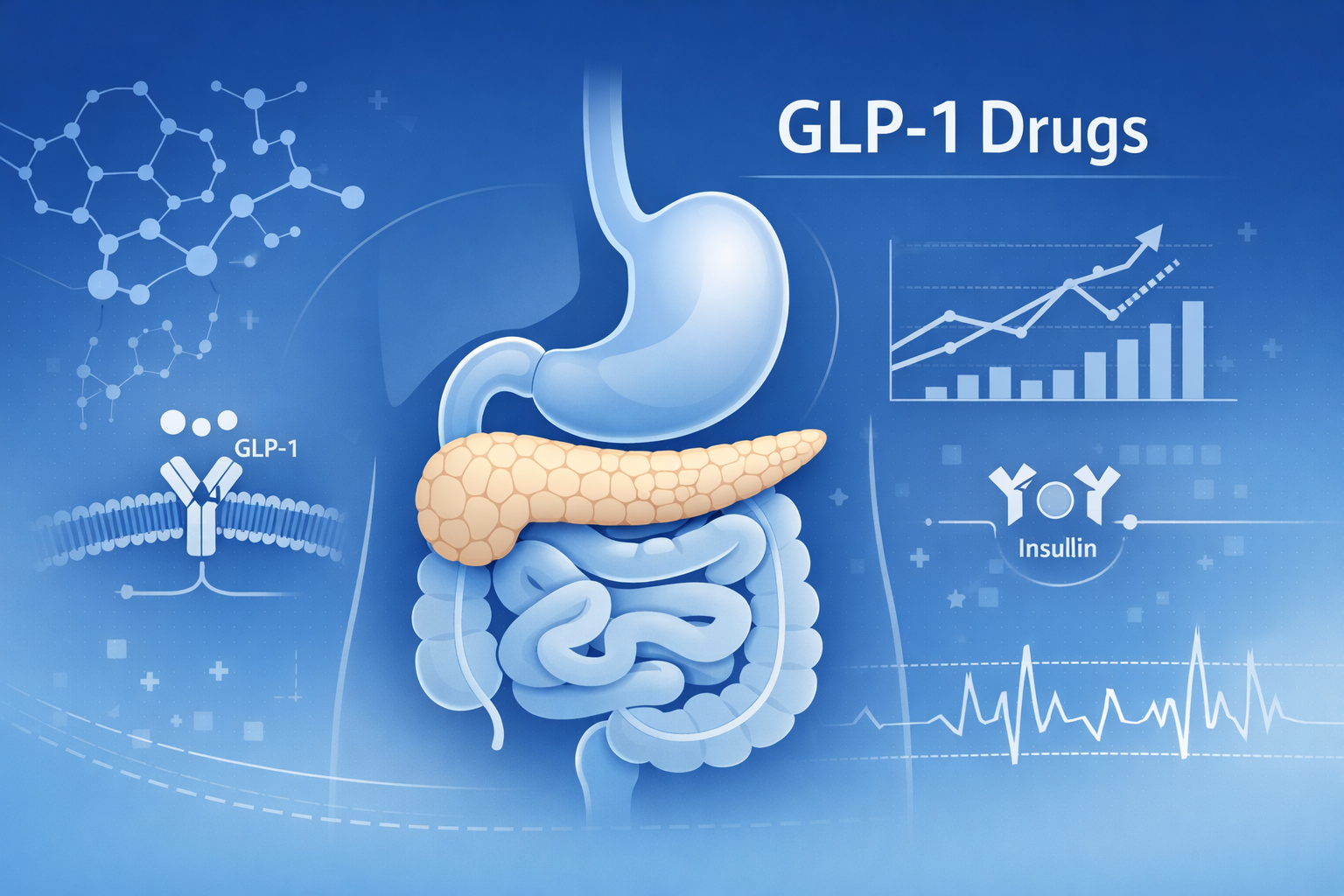
GLP-1 receptor agonists (the class of drugs including Ozempic) work by intentionally slowing down stomach emptying. When this effect becomes too severe, it causes Drug-Induced Gastroparesis.
The key legal and medical argument is that the drug acts as a "trigger" or an "accelerant," causing severe symptoms that would not have occurred otherwise.
How to Tell the Difference: Key Factors
In a lawsuit, attorneys look for specific evidence to prove the drug—not the diabetes—is responsible.
1. The Timeline (Temporal Proximity)
This is the strongest evidence.
-
Scenario A (Likely Diabetes):
You have had stomach issues for years that have slowly gotten worse. -
Scenario B (Likely Drug):
You had diabetes for 10 years with no stomach issues. You started Ozempic, and within 4 weeks, you were vomiting daily.
The Argument:
If the symptoms appeared suddenly after starting the drug, it strongly suggests the medication is the cause.
2. The Severity
- Diabetic gastroparesis is often mild to moderate.
- The cases seen in GLP-1 lawsuits are often acute and severe, involving:
- Cyclical vomiting
- Emergency room visits for dehydration
- Total inability to keep food down
3. Evidence from Non-Diabetic Patients
One of the strongest arguments against the manufacturers is that patients taking Wegovy or Zepbound for weight loss alone—who do not have diabetes—are suffering the exact same stomach paralysis.
This proves that the drug can cause the injury independently of diabetes.
Can I Sue if I Have Diabetes?
Yes. You do not need to be perfectly healthy to file a lawsuit. The law recognizes that a drug can "aggravate" or "precipitate" an injury.
-
Aggravation:
Even if you had mild digestion issues before, if the drug made them severe enough to require hospitalization, the manufacturer may be liable for that worsening. -
Failure to Warn:
The core of the lawsuit is that you were not warned that the drug could permanently paralyze your stomach. A diabetic patient has the same right to that warning as anyone else.
Summary
Do not assume your injury is "just your diabetes."
If your symptoms started or drastically worsened after taking a GLP-1 drug, the medication is likely a major factor.
Contact Us for a Free Consultation
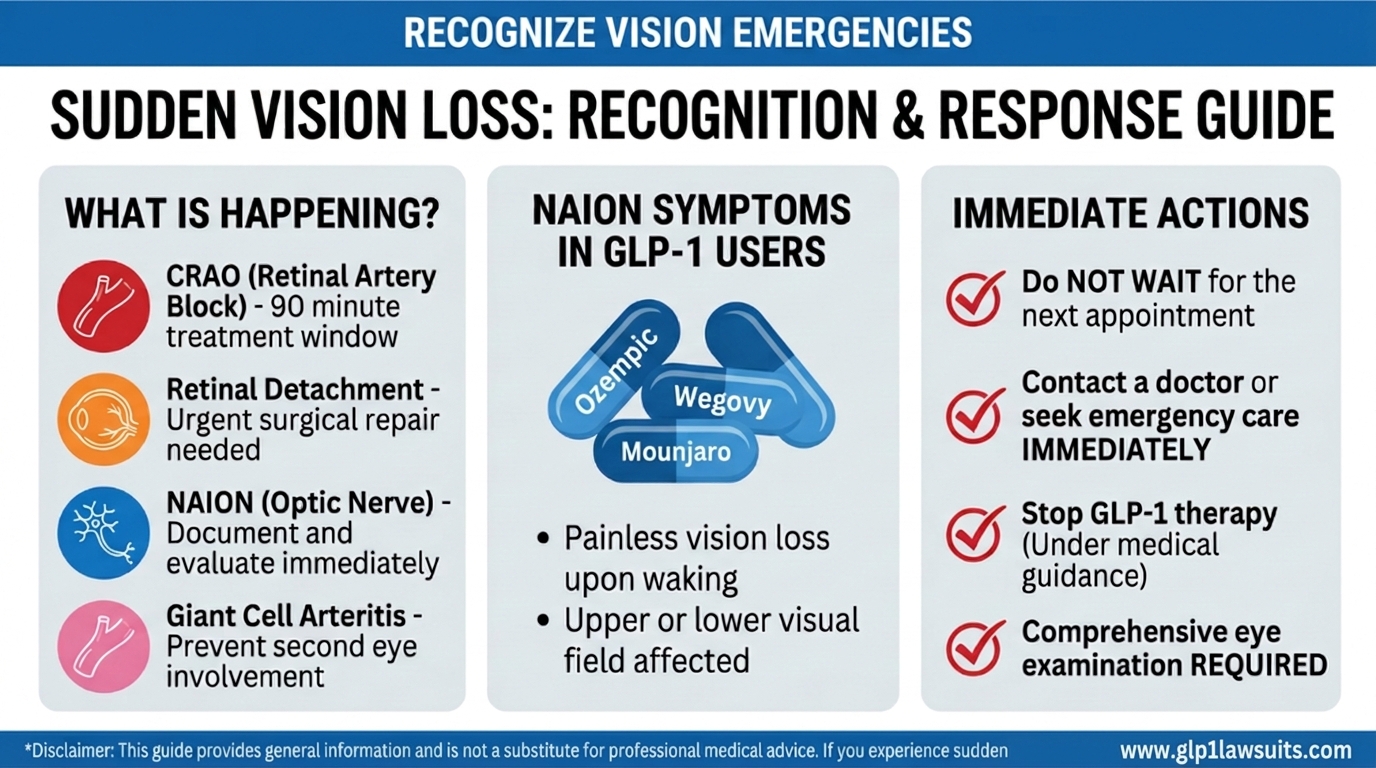
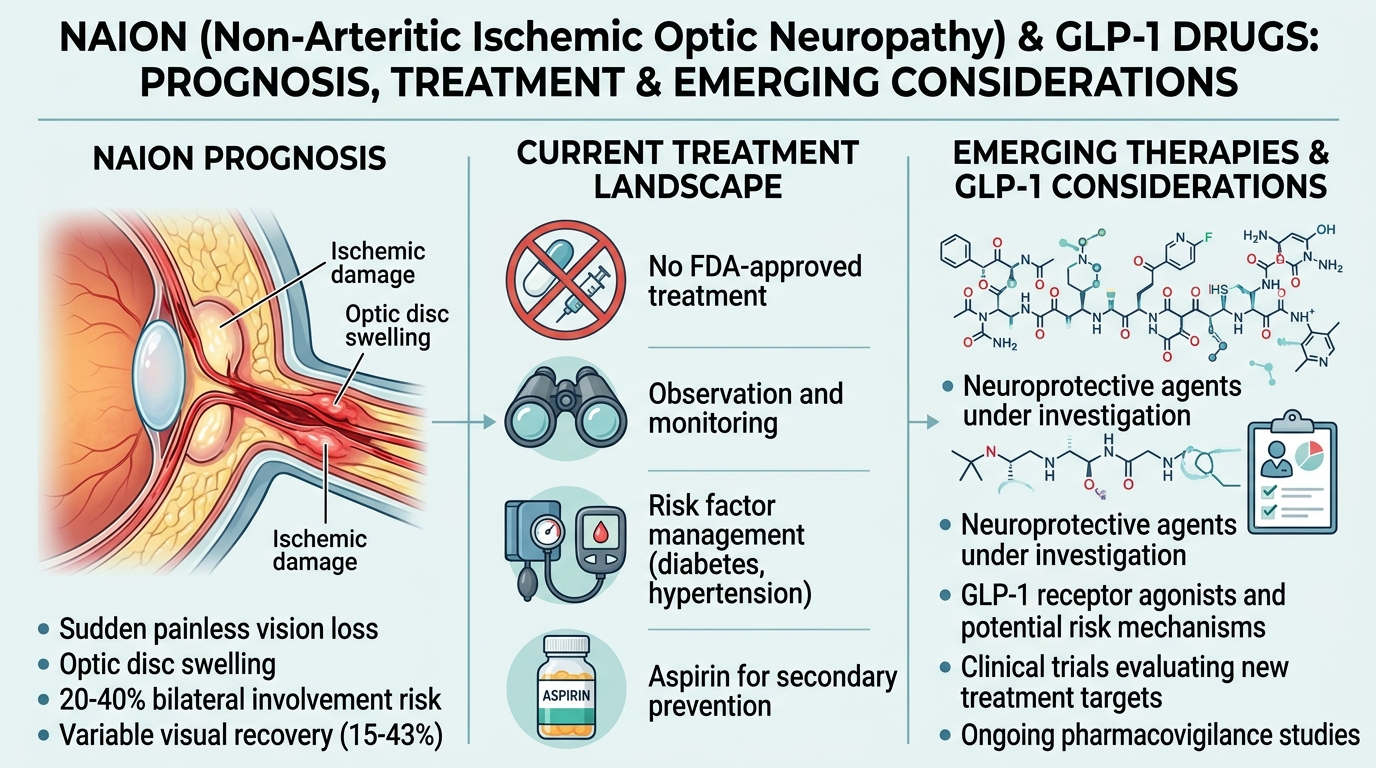
If you took Ozempic, Wegovy, Mounjaro, or Zepbound and developed gastroparesis, ileus, NAION, or DVT during the period when warnings were inadequate, you may have a legal claim.
Visit www.GLP1lawsuits.com to:
- Free case evaluation
- Speak with experienced attorneys
- Learn more about your legal options
- Join others seeking justice
No upfront fees. No costs unless we win your case.
Don't let the statute of limitations run out—contact us today to protect your rights and seek the compensation you deserve.
Disclaimer
This article provides general information only and does not constitute medical or legal advice.
For medical concerns, consult a qualified healthcare provider.
For legal guidance, consult a licensed attorney.
Each case is unique and past results do not guarantee future outcomes.
© 2025 GLP1lawsuits.com | All Rights Reserved